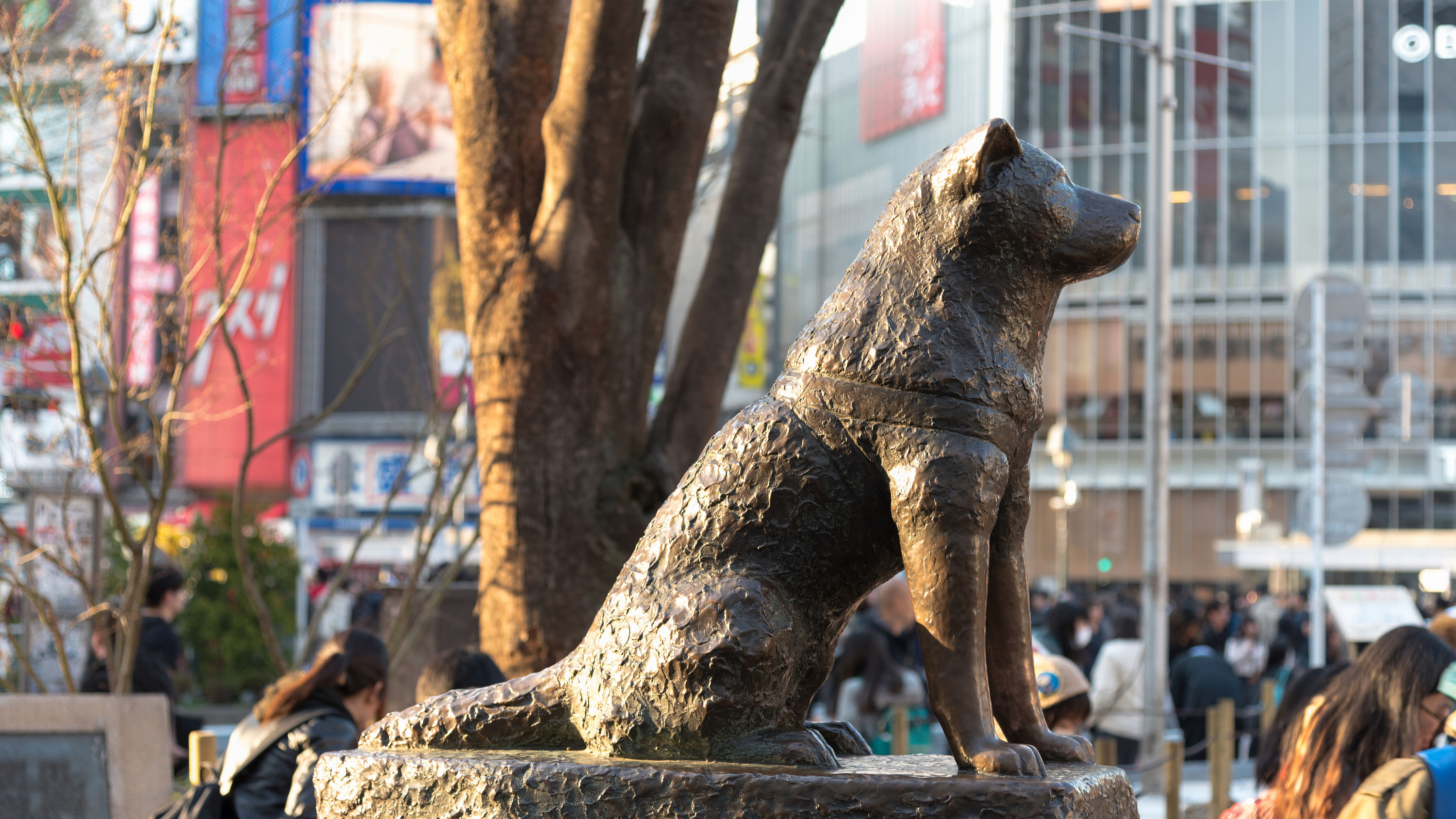
Hachiko the Akita dog waited at Shibuya Station in Tokyo for nearly ten years after his owner died. Every single day, he sat by the exit and watched the crowds for a face that would never appear. It is the most famous story of loyalty in history because it actually happened, minute by minute, in the real world.
The short answer is that Hachiko was a golden brown Akita who lived in Japan during the 1920s and 1930s. He walked to the train station every afternoon to meet his master, Professor Hidesaburo Ueno. When the professor died suddenly at work, the dog stayed. He lived on the streets and kept his watch for 3,649 days until his own heart finally stopped. His life changed how people think about the bond between humans and animals.
Who was the dog that waited ten years at a station?
Hachiko was born on a farm near the city of Odate in 1923. He was a purebred Akita, a type of dog known for being large, strong, and very stubborn. Professor Ueno, who taught at Tokyo Imperial University, took him in as a pup. They lived in a house in the Shibuya neighborhood, which was much quieter back then than it is today. The two became best friends almost immediately.
Every morning, the professor walked to Shibuya Station to catch his train to the university. Hachiko walked right beside him. When the professor went through the gates, the dog would head back home. But every afternoon at exactly the time the train was due, Hachiko returned to the station. He sat by the exit and waited for his friend to walk out. It was a simple routine that defined their lives for over a year.
This routine ended on May 21, 1925. That day, Professor Ueno suffered a brain hemorrhage while giving a lecture and died instantly. He never got on the train to go home. At the station, Hachiko sat in his usual spot. He watched hundreds of people walk past, but the one man he wanted was not there. He stayed until late into the night before finally leaving, only to return the next afternoon at the exact same time.
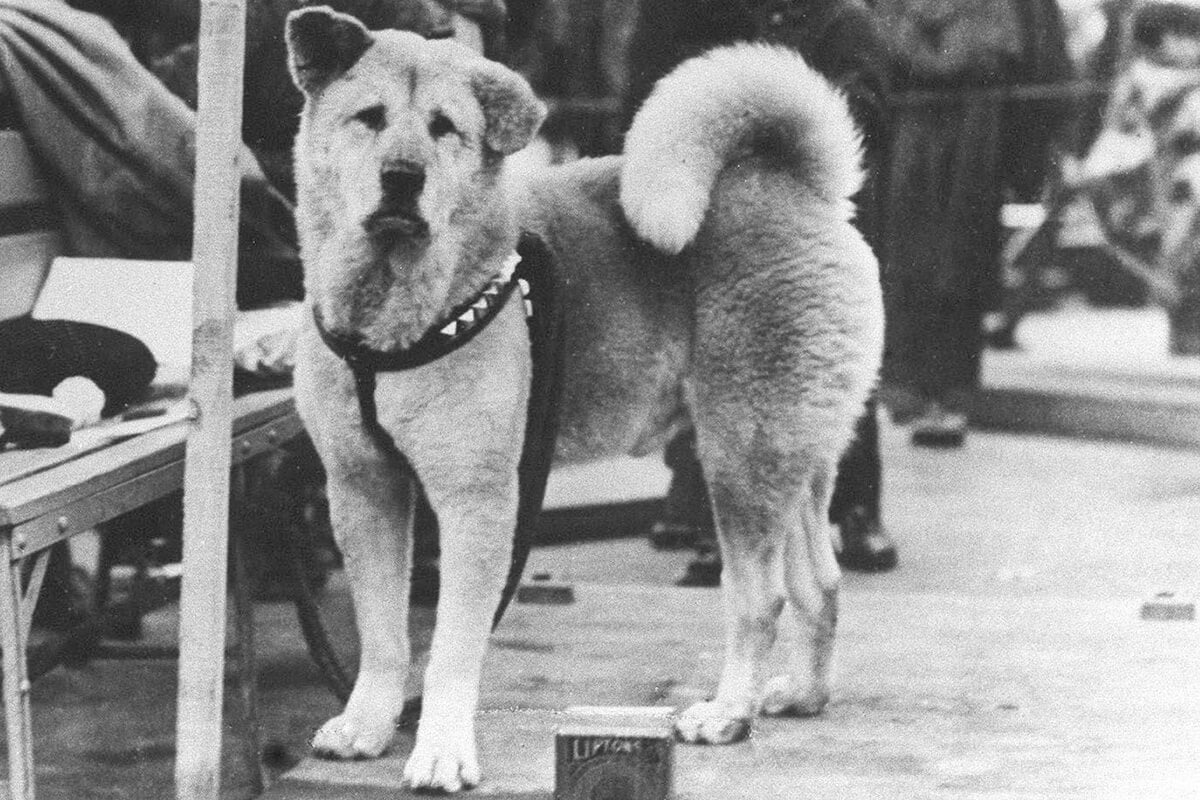
How Hachiko survived on the streets of Tokyo
After the professor died, his family tried to give Hachiko away to new owners. They sent him to live with people several miles away, but he kept running back to his old house. When he realized the professor was not there either, he went back to the only other place he knew: the train station. Eventually, a gardener who had known the professor took him in, but Hachiko spent very little time at that new home.
Life on the streets was not easy for a big dog in a busy city. At first, the people working at the station and the local shopkeepers were not very kind to him. Some of the station staff saw him as a stray and tried to chase him away. Kids would sometimes tease him or paint on his fur. He was often hungry and had to find scraps of food wherever he could. You can find more details about this journey in the story of Hachiko the Dog Who Waited Ten Years at Shibuya Station which explains his daily life.
He slept under the train tracks or near the station entrance. No matter how bad the weather was, he showed up for the afternoon train. Whether it was pouring rain or thick snow, he sat still. He looked at every face coming through the ticket gate. His ears would perk up at the sound of the whistle, and then he would sit and stare. He did this for months, then years, as his coat grew dull and his body grew thin from the cold nights.
The moment the world noticed the loyal Akita
In 1932, a student of Professor Ueno named Hirokichi Saito saw the dog at the station. Saito was an expert on the Akita breed and was surprised to see one in Tokyo. He followed the dog and learned about his history from the gardener. Saito began to write articles about Hachiko's loyalty. He wanted people to understand that this was not just a stray dog, but a hero waiting for a lost friend.
One of these articles was published in a major Tokyo newspaper called Asahi Shimbun. Almost overnight, Hachiko became a national sensation. People from all over Japan started traveling to Shibuya just to see him. They brought him food, treats, and water. The station staff changed their attitude completely. They started looking after him and even gave him a place to rest inside when the weather was too harsh.
This is a classic Human-interest story because it touches on feelings everyone understands. People saw their own grief and their own hopes in the dog. By 1934, the dog was so famous that a bronze statue of him was built right at the spot where he waited. Hachiko was actually there to see the statue unveiled. It is rare for a monument to be built for someone while they are still alive, let alone a dog.
The final days and the legacy of Hachiko
Hachiko grew old and weak as the years passed. He suffered from heartworms and other health problems common for dogs living outdoors. His left ear began to droop, a sign of his age and the rough life he had led. Still, he walked to the station every day. On March 8, 1935, his long wait finally ended. Passersby found him lying dead on a side street near the station. He was nearly 12 years old.
The news of his death hit the country hard. People covered his statue in flowers and sat in silence at the station. His body was preserved and is still on display today at the National Museum of Nature and Science in Tokyo. Part of his remains were buried next to Professor Ueno in Aoyama Cemetery. After ten years apart, the two were finally back together. It makes you wonder if he knew all along that his master wasn't coming back, or if he truly believed each new train might be the one.
Today, the Hachiko exit at Shibuya Station is one of the busiest meeting spots in the world. Thousands of people say, "Meet me at Hachiko," every single day. Most of them know the story, but many stop to look at the statue and remember what it means to be loyal. You can read more about similar amazing tales on this anchor text about the topic to see how animals change our lives. The story has been told in books and movies, but the real facts are even more moving than the fiction.
Why we still talk about this dog today
Why does a dog from a hundred years ago still matter to us? It is because Hachiko showed a level of love that is hard to find. He did not want fame or food as his primary goal. He just wanted to be there when his friend came home. In a world that moves very fast, his ability to stay still for a decade is a powerful lesson. He reminds us that some things are worth waiting for, even if they never arrive.
The Akita breed was almost extinct before Hachiko became famous. Because of him, people started breeding them again and the breed was saved. He became a symbol of the Japanese spirit of perseverance. Teachers in schools used his story to show children the value of being faithful to their families and their duties. He wasn't just a pet, he became a teacher for an entire nation.
If you ever visit Tokyo, go to Shibuya and stand by the statue. Look at the train tracks and imagine the thousands of trains that pulled in while that dog sat there. Think about the cold winters and the hot summers he endured. It is a quiet place in the middle of a very loud city. It is a place that proves that the bond between a person and a dog is something that even death cannot fully break.
Do you have a pet that waits for you at the door every day? It is a small thing, but it is also the biggest thing in the world. Maybe we should all try to be a little more like Hachiko and stay true to the people we love. What is the longest you have ever waited for someone? Think about that the next time you see a dog looking at a door with hope in its eyes.


No comments:
Post a Comment